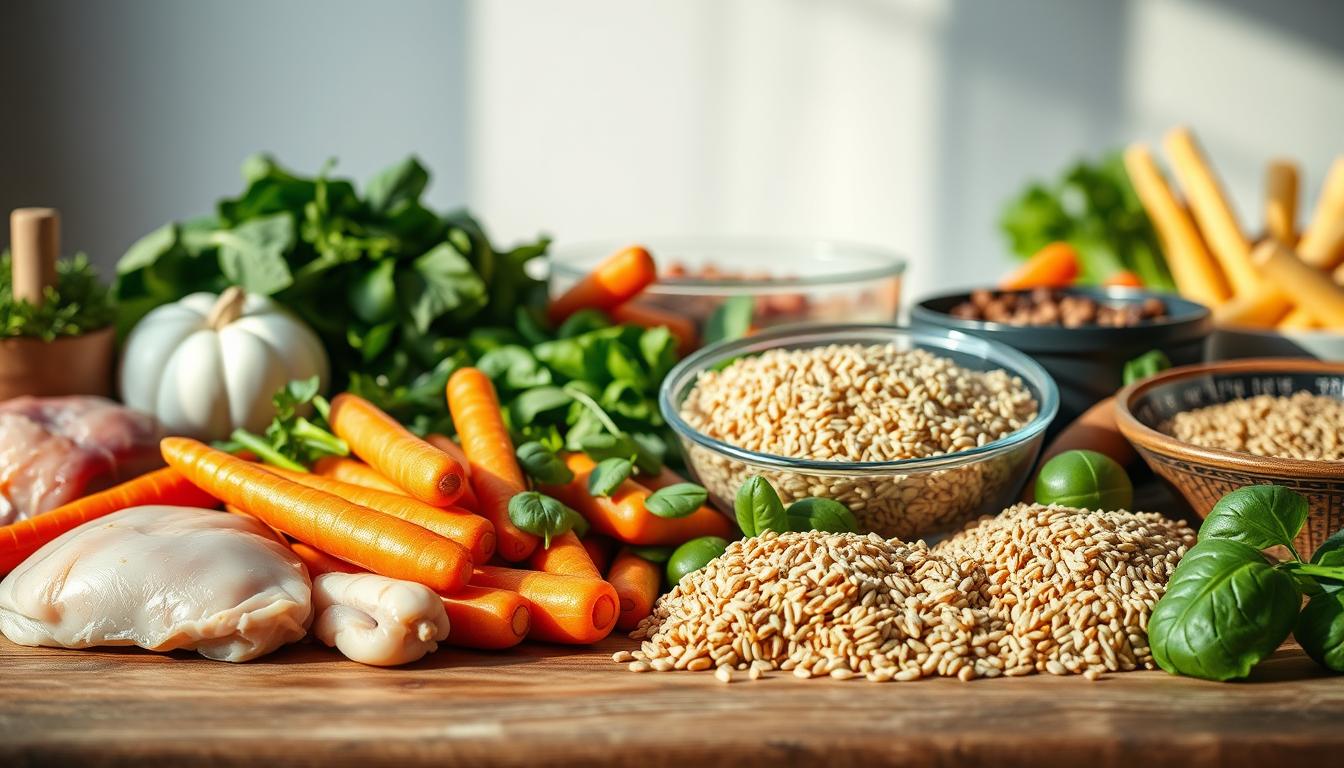
Is Fresh Pet Good for Dogs. Did you know 38% of dog owners have switched to fresh dog food in the last three years? This big change shows how important good food is for our dogs.
Fresh dog food is changing how we feed our pets. It offers better ingredients and health benefits than traditional kibble. More pet owners want natural, less processed food for their dogs.
The trend of fresh pet food is big in pet care. Experts say these meals can be easier to digest and help dogs absorb nutrients better. They might even make dogs healthier than traditional foods.
Key Takeaways
- Fresh dog food offers more natural nutrition compared to traditional kibble
- Nutrient absorption may be higher in fresh food diets
- Pet owners are increasingly prioritizing food quality
- Fresh food can potentially support better canine health
- Veterinary consultation is key when changing dog diets
Understanding Fresh Pet Food Basics
Fresh pet food has changed how we feed our dogs. It’s more nutritious and tasty than kibble. It’s like a home-cooked meal for your pet.
Pet nutrition experts have come up with new ways to make meals. They focus on quality and nutrition. Refrigerated pet food brands have changed how we think about dog food.
What Qualifies as Fresh Dog Food
Fresh dog food has to meet certain standards:
- Minimally processed ingredients
- Refrigerated storage is needed
- It has a shorter shelf life than kibble
- It’s made with little heat
Human-Grade vs Feed-Grade Ingredients
It’s important to know the difference between human-grade and feed-grade ingredients:
| Human-Grade Ingredients | Feed-Grade Ingredients |
|---|---|
| Safe for humans to eat | Lower quality animal byproducts |
| High quality control | Less strict processing |
| More nutritious | Lower nutritional standards |
Storage and Preparation Requirements
Storing fresh pet food right is key for safety and nutrition. Proper refrigeration keeps the quality of the ingredients high.
“Fresh pet food represents a significant advancement in canine nutrition, providing meals that are closer to what dogs would naturally eat.” – Veterinary Nutrition Expert
Dog owners need to follow specific storage tips. This includes keeping the food cold and eating it within a certain time frame.
Is Fresh Pet Good for Dogs: Expert Veterinary Analysis
Veterinary nutrition experts have been studying fresh pet food for dogs. Dr. Hillary Wolfe, a top vet in canine nutrition, says picking the right dog food is key for your dog’s health.
“Not all pet foods are created equal. Selecting the right nutrition is critical for your dog’s overall well-being,” says Dr. Wolfe.
Experts suggest looking at several things when choosing fresh pet food:
- Ingredient quality and where they come from
- Nutritional balance
- Digestibility
- Potential health benefits
The main benefits of fresh pet food include:
- Improved nutrient absorption
- Less processed ingredients
- Better digestive health
- Lower risk of allergies
Vets say it’s important to pick fresh dog food made by experts. Look for foods that have been tested well and made by certified animal nutritionists.
Even though fresh pet food has many health benefits, every dog is different. Talking to a vet can help find the best food for your dog’s age, breed, and health.
Nutritional Benefits of Fresh Dog Food
Fresh dog food is a new way to feed pets. It’s a healthier choice than traditional kibble. It offers many benefits for dog nutrition and health.
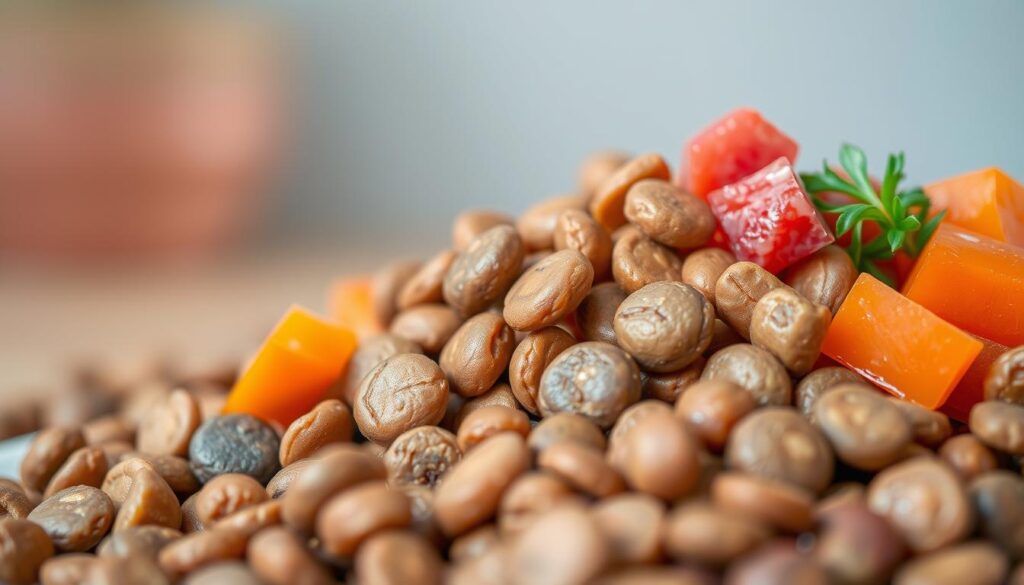
- It keeps more nutrients than kibble
- It helps dogs absorb nutrients better
- It uses ingredients that are easier for dogs to digest
Key Nutrients and Their Sources
Fresh dog food has high-quality proteins. These proteins help dogs grow strong and stay healthy. They come from:
- Lean meats like chicken, beef, and turkey
- Fish that are full of omega-3 fatty acids
- Organ meats that have important vitamins
“Nutrition is the foundation of your dog’s health, and fresh foods offer a more natural approach to meeting their dietary needs.” – Dr. Karen Becker, Veterinary Nutritionist
Digestibility and Absorption Advantages
How well a dog absorbs nutrients is key. Fresh dog food is easier for dogs to digest. This means their bodies can use nutrients better, leading to better health.
Impact on Dog’s Health and Vitality
Switching to fresh dog food can really help dogs. Owners see big improvements in their dogs’ energy, coat, and overall health. The mix of good proteins, nutrients, and easy digestion makes dogs happier and healthier.
- More energy
- Better coat and skin
- Healthier digestion
- Less food sensitivities
Potential Drawbacks and Considerations
Fresh pet food has many benefits, but it also comes with risks and challenges. Knowing these drawbacks helps pet owners make better choices about their dog’s diet and safety.
When looking into fresh pet food, safety is a big concern. There are several important factors to consider that can affect your pet’s health and your budget:
- Nutritional Balance Challenges: Fresh pet food might not have the right mix of nutrients for dogs.
- Higher Cost Implications: It’s usually more expensive than regular dog food.
- Storage Complexity: It needs to be kept cold and handled carefully to avoid bacteria.
There are more risks to consider with fresh pet food. Dogs with certain health issues might need special diets that fresh food can’t provide. Some possible problems include:
- Potential nutrient deficiencies
- Higher chance of getting sick from food
- Variable quality of ingredients
It’s important for pet owners to talk to vets about their dog’s needs. Vets can help make sure the fresh food is right for your dog and keeps them healthy.
Careful research and professional advice are key when switching to fresh pet food.
Fresh pet food offers great nutritional benefits, but it’s important to know the downsides. This knowledge helps pet owners make choices that are best for their dog’s health and happiness.
Cost Analysis and Value Comparison
Pet owners always look for the best food for their dogs while keeping costs down. It’s important to understand the money side of fresh dog food when choosing what to feed our pets.
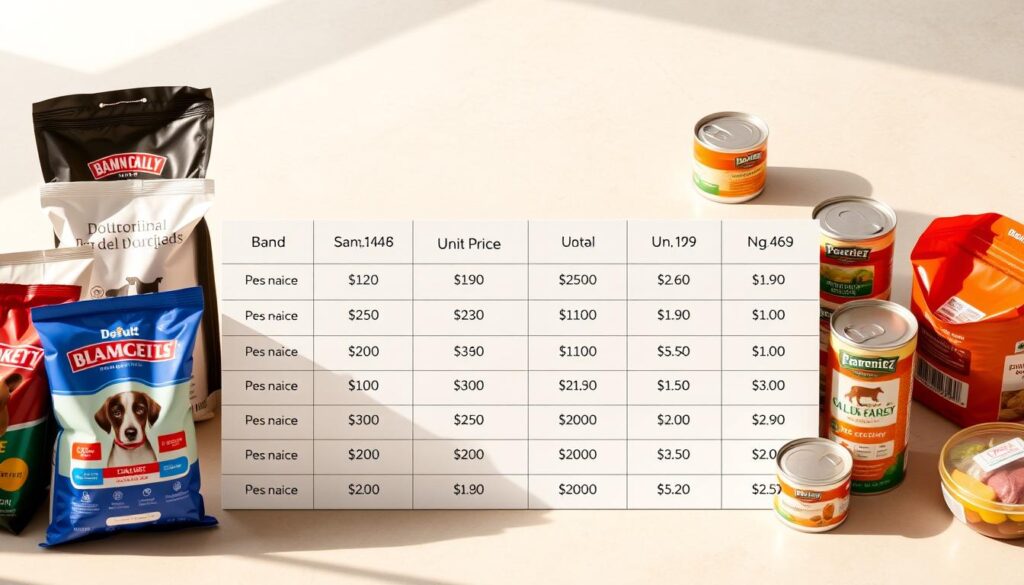
Comparing dog food costs shows big differences between traditional and fresh options. Fresh food might cost more at first but could save money in the long run by keeping dogs healthier.
Price Per Serving Breakdown
Looking at the cost per serving is key when budgeting for pet food. Here’s a breakdown of average prices:
- Fresh Dog Food: About $1.40 per 100 calories
- Dry Kibble: Around $0.25 per 100 calories
- Canned Dog Food: About $1.10 per 100 calories
Long-Term Financial Implications
Fresh dog food might seem pricey at first, but it could save money in the long run. This is because it might lead to fewer vet bills.
| Food Type | Annual Cost (Medium Dog) | Potential Health Savings |
|---|---|---|
| Dry Kibble | $250 – $700 | Minimal |
| Fresh Dog Food | $800 – $1,500 | Potential $200 – $500 in vet expenses |
Choosing quality food can help save on vet bills over time. This makes fresh dog food a good choice for those watching their budget.
Safety Guidelines and Storage Requirements
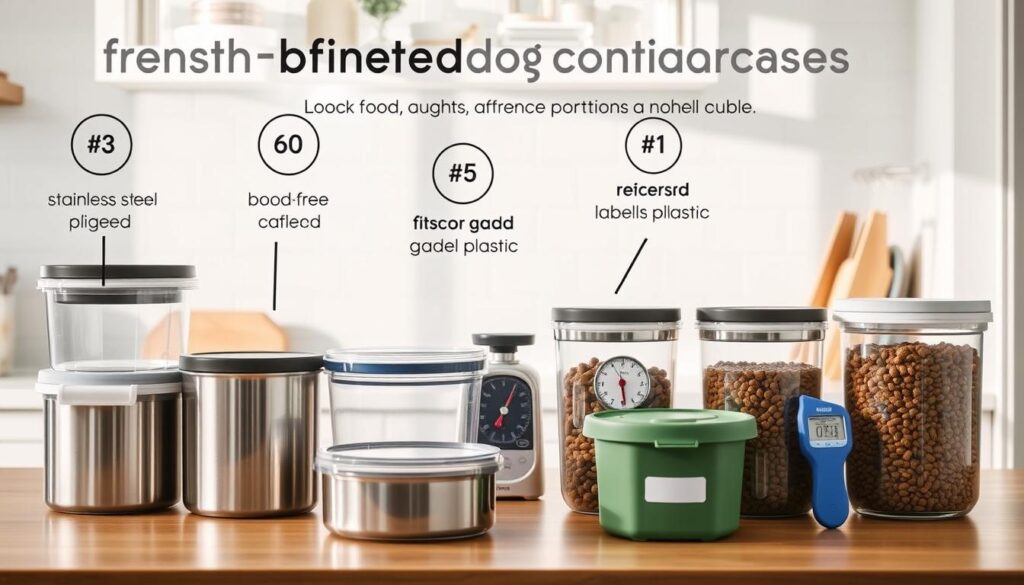
Pet food safety is very important for dog owners who choose fresh dog food. Storing and handling food correctly can greatly improve its nutritional value. It also helps avoid health risks.
Storing fresh dog food needs careful attention. Keeping it refrigerated and frozen is key to keeping it fresh longer. This helps keep its nutrients intact.
- Refrigerate fresh dog food at 40°F or below
- Freeze portions at 0°F or lower for extended storage
- Use sealed, airtight containers to prevent contamination
- Label containers with preparation date
Understanding how to thaw fresh dog food is also important. Always thaw it in the fridge, not at room temperature. This stops bacteria from growing.
| Storage Method | Maximum Safe Storage Time | Temperature Range |
|---|---|---|
| Refrigerated | 3-5 days | 32-40°F |
| Frozen | 2-3 months | 0°F or lower |
Look out for signs of spoilage like bad smells, color changes, or mold. If you’re unsure, throw it away to keep your dog safe. Regularly checking on how you store fresh dog food keeps your pet healthy. It also stops foodborne illnesses.
“Proper storage is as important as the quality of the food itself” – Veterinary Nutrition Experts
Which Dogs Benefit Most from Fresh Pet Food
Choosing the right diet for your dog is all about knowing their needs. Not every dog needs the same food. Fresh pet food can be a big help for certain health issues and breed needs.
Fresh pet food gives dogs with health problems the right nutrients. Some dogs really benefit from this special diet.
Age-Related Nutritional Considerations
Dogs at different life stages need different foods. Puppies, older dogs, and adult dogs all have special dietary needs. Fresh food can meet these needs better than regular kibble.
- Puppies: High-protein, nutrient-dense fresh diets support rapid growth
- Senior dogs: Easily digestible proteins help maintain muscle mass
- Adult dogs: Balanced nutrition supports overall health and energy
Breed-Specific Nutrition Recommendations
Some breeds need special diets for their health. Certain breeds get more benefits from fresh food:
- Large breeds: Diets supporting joint health and weight management
- Small breeds: Calorie-controlled, nutrient-rich meals
- Working dogs: High-energy, protein-packed fresh food options
“Understanding your dog’s unique nutritional needs is key to selecting the most appropriate diet.” – Veterinary Nutrition Expert
Dogs with health issues often get better with fresh food diets. Problems like food allergies, digestive issues, and sensitivities can be managed with the right nutrients.
Transitioning Your Dog to Fresh Food
Switching your dog to fresh food needs careful planning and patience. This change is delicate and must be done right to keep your dog healthy. It’s all about their digestive health and getting the right nutrients.
Vets say to go slow to avoid stomach problems. Here’s a simple guide to help you introduce fresh food:
- Begin with 25% fresh food mixed with their usual diet
- Slowly add more fresh food over 7-10 days
- Keep an eye on how your dog’s stomach and health are doing
- Change the amount of food based on your dog’s size and how active they are
How old your dog is matters a lot. Vets say wait until they’re at least one year old before switching to fresh food. This helps them absorb nutrients better and grow strong.
| Transition Stage | Fresh Food Percentage | Duration |
|---|---|---|
| Initial Phase | 25% | Days 1-3 |
| Intermediate Phase | 50% | Days 4-6 |
| Final Phase | 75-100% | Days 7-10 |
Be alert for signs of upset stomach when introducing fresh food. If your dog vomits, has diarrhea, or eats less, slow down the change or talk to your vet.
Pro tip: Keep a food diary to track your dog’s response to the new diet and note any changes in energy, coat condition, and overall health.
Conclusion
Choosing the right diet for your dog is a big decision. It involves looking at your dog’s nutritional needs, health, and lifestyle. Every dog is different, so finding the right food is very personal.
Vets suggest a balanced approach to fresh food. Each dog reacts differently to new foods. Getting advice from a vet is key to finding the best diet for your dog.
Fresh pet food can be good for your dog, like better nutrient absorption and more fun meals. But, it’s not for everyone. Think about the cost, how much time it takes to prepare, and your dog’s health. Understanding these points helps keep your dog healthy and happy.
Finding the best nutrition for your dog is a journey. Keep learning, be open to changes, and always put your dog’s health first. Your vet is the best person to help you find the right food for your dog.
