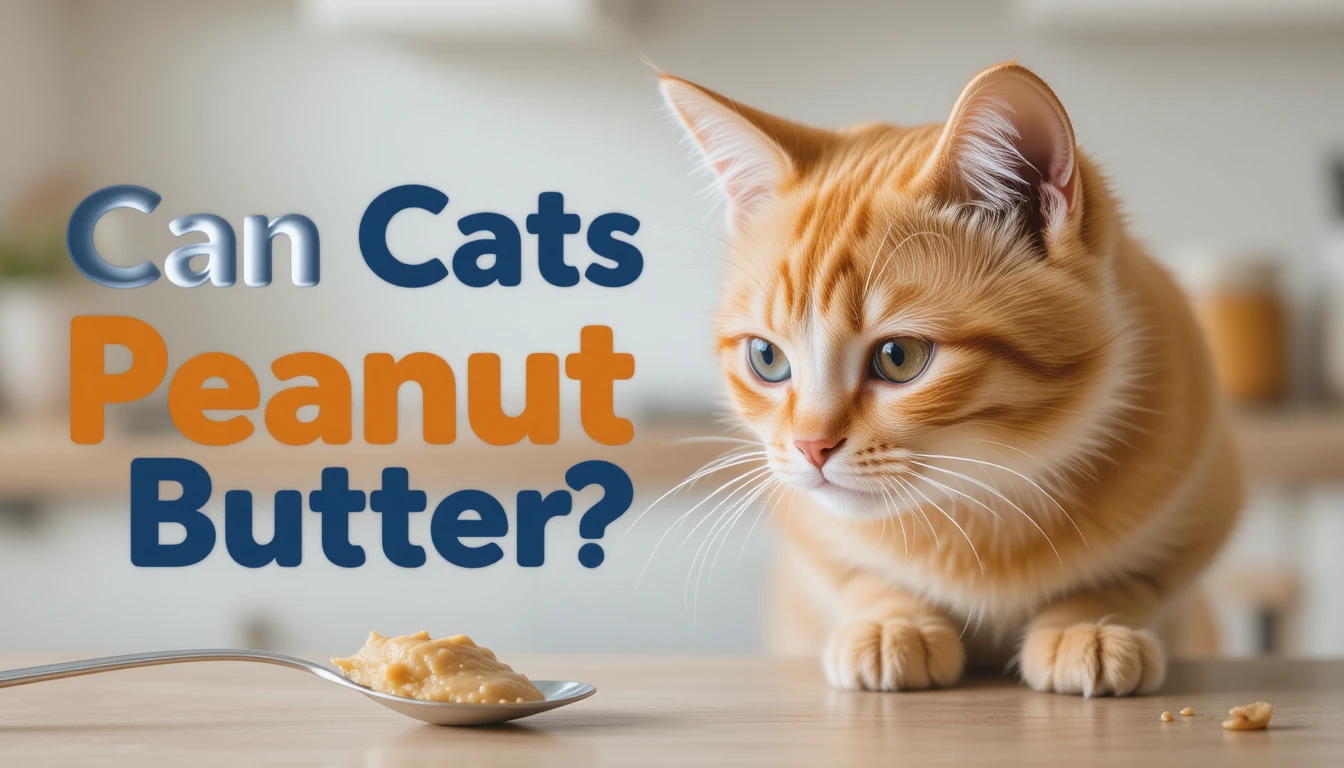
Have you ever been enjoying a spoonful of creamy peanut butter and noticed your curious cat eyeing it with interest? It’s a common sight, and it often leads cat owners to wonder: “Can cats have peanut butter?” While it might seem like a harmless treat, the truth about cats and peanut butter is a bit more complicated than you might think.
As loving pet parents, we always want what’s best for our furry friends. That includes making sure they eat foods that are not only safe but also good for them. When it comes to human foods, what’s healthy for us isn’t always healthy for our pets. Let’s dive deep into the world of peanut butter and cats to understand the potential benefits (or lack thereof) and the very real risks involved.
Key Takeaways
- Generally Not Recommended: While a tiny, plain taste might not be immediately toxic, peanut butter is not a recommended treat for cats.
- Xylitol is Deadly: Many sugar-free peanut butter brands contain xylitol, which is highly toxic and can cause severe illness or death in cats. Always check labels!
- High in Fat, Sugar, and Salt: Peanut butter is loaded with fat, sugar, and salt, which can lead to digestive upset, pancreatitis, obesity, and other long-term health problems for your feline friend.
- Choking Hazard: Its thick, sticky texture poses a significant choking risk, especially for smaller cats.
- Better Alternatives Exist: There are many safer, healthier, and more appropriate treats specifically designed for cats that offer true nutritional benefits without the risks.
Can Cats Have Peanut Butter? The Short Answer 🚫
So, can cats have peanut butter? The straightforward answer is: it’s best to avoid it. While a tiny, plain taste of peanut butter might not be immediately deadly (unless it contains xylitol, which we’ll discuss!), it offers no real nutritional benefits for cats and comes with several significant risks.
Cats are obligate carnivores, meaning their bodies are designed to get all their nutrients from meat. Their digestive systems are not equipped to handle the high fat, sugar, and plant-based proteins found in peanut butter. Think of it this way: a tiny lick might not hurt, but it’s like giving a human a spoonful of something totally indigestible – it just doesn’t make sense for their diet.
Why the Fuss? Understanding a Cat’s Diet 🍖
To truly understand why peanut butter isn’t ideal for cats, we need to look at what cats are meant to eat. Cats are not like us; they have unique dietary needs that are vastly different from humans or even dogs.
What Do Cats Really Need to Eat?
Cats are what we call “obligate carnivores.” This fancy term means they must eat meat to survive and thrive. Their bodies are built for hunting and digesting animal protein. Here’s what their diet should primarily consist of:
- High Protein: They need a lot of protein, specifically from animal sources, to build and maintain strong muscles and organs.
- Moderate Fat: Healthy fats are essential for energy, absorbing vitamins, and keeping their skin and coat healthy.
- Low Carbohydrates: Cats have a very limited ability to digest and use carbohydrates (like those found in plants, grains, and sugars). Too many carbs can lead to health issues.
- Essential Nutrients: They require specific nutrients found only in animal tissues, such as:
- Taurine: An amino acid crucial for heart health and vision. Without enough taurine, cats can develop serious health problems.
- Arginine: Another amino acid vital for detoxifying ammonia in their bodies.
- Vitamin A: Cats can’t convert beta-carotene from plants into Vitamin A, so they need it pre-formed from animal sources.
- Vitamin B Complex: Especially B12, crucial for metabolism.
Why Human Foods Are Often Problematic ⚠️
Many human foods, including peanut butter, don’t fit the nutritional profile of an obligate carnivore. They often contain ingredients that are:
- Difficult to Digest: Plant-based proteins and high carbohydrates are hard on a cat’s short, specialized digestive tract.
- Too High in Certain Nutrients: Too much fat, sugar, or salt can overwhelm their systems.
- Toxic: Some common human food ingredients are outright poisonous to cats (like xylitol, chocolate, grapes, onions, garlic).
Even if a human food isn’t directly toxic, it can cause digestive upset, lead to nutritional imbalances over time, or contribute to chronic health issues like obesity or diabetes.
Pull Quote:
“Cats are obligate carnivores, meaning their bodies are designed to get all their nutrients from meat. Peanut butter simply doesn’t fit their natural diet.”
Potential Risks of Peanut Butter for Cats 🚨
Now that we understand a cat’s basic dietary needs, let’s explore the specific dangers associated with giving them peanut butter. These risks range from mild digestive upset to life-threatening emergencies.
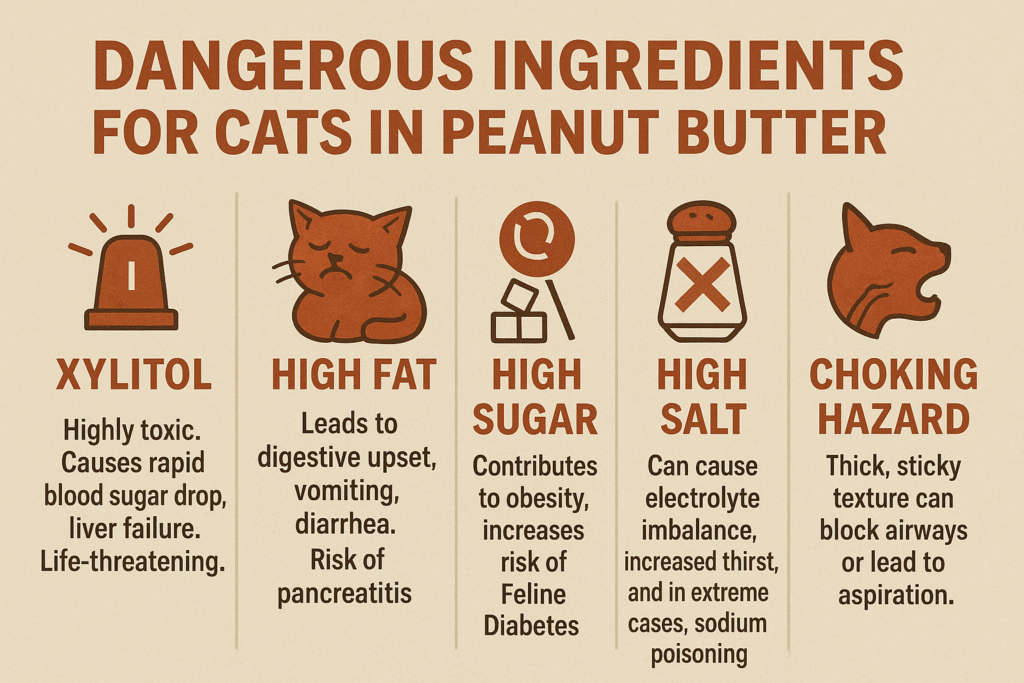
Xylitol Poisoning: A Deadly Threat 💀
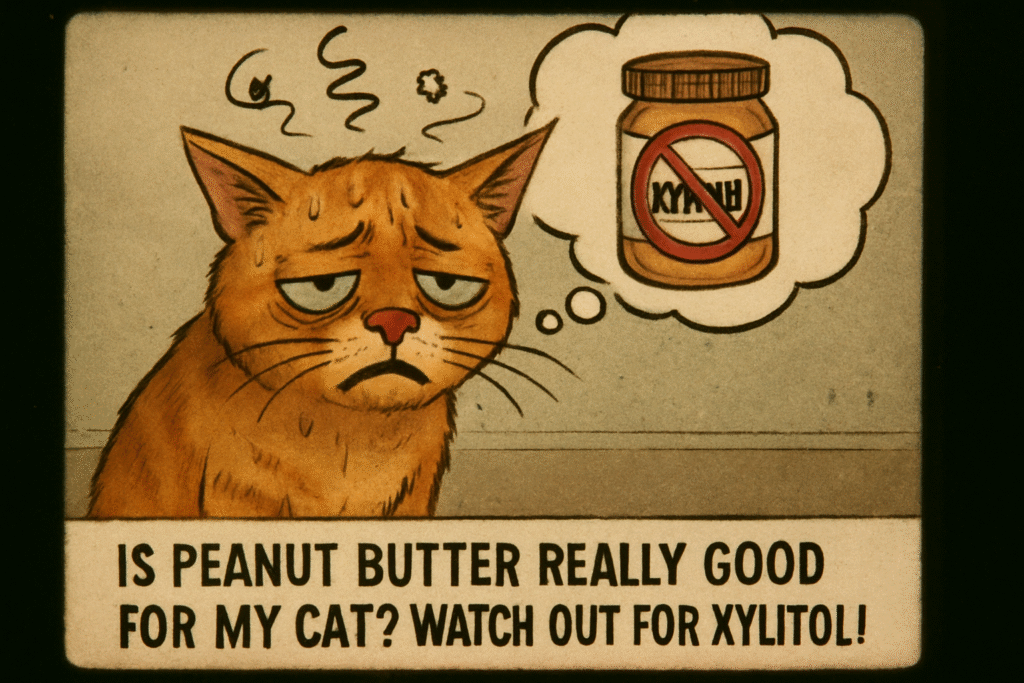
This is by far the most critical risk when it comes to peanut butter. Many “sugar-free” or “reduced sugar” peanut butter brands contain an artificial sweetener called xylitol.
What is Xylitol?
Xylitol is a sugar alcohol that is safe for human consumption and often used in various products like chewing gum, toothpaste, candies, baked goods, and yes, some peanut butter. However, it is extremely toxic to pets, especially dogs, and cats are also susceptible, though less research exists on their specific dosage toxicity. Even a small amount can be deadly.
Symptoms of Xylitol Poisoning
If your cat ingests xylitol, symptoms can appear rapidly, usually within 15-30 minutes, but sometimes up to 12 hours later. These symptoms include:
- Vomiting 🤢
- Weakness or Lethargy
- Loss of Coordination (ataxia)
- Tremors or Seizures
- Collapse
- Hypoglycemia (low blood sugar) – this is the primary effect of xylitol, causing a rapid release of insulin.
- Liver failure (in severe cases, especially if not treated quickly).
What to Do If Your Cat Eats Xylitol
This is an emergency! If you suspect your cat has eaten any product containing xylitol, no matter how small the amount:
- Do not wait.
- Contact your veterinarian immediately or the nearest emergency veterinary clinic.
- If you can, bring the product packaging with you so the vet can see the exact ingredients and concentration of xylitol.
- Do NOT try to induce vomiting at home unless instructed by a vet.
High Fat Content: Leading to Digestive Upset & Pancreatitis 🐾
Peanut butter is famously high in fat. While fats are an essential part of a cat’s diet, the type and amount of fat in peanut butter are not ideal for them.
Stomach Troubles (Vomiting, Diarrhea)
A sudden intake of high-fat food can easily upset a cat’s sensitive digestive system. This can lead to:
- Vomiting: Your cat may throw up the peanut butter or other food.
- Diarrhea: Loose stools are common, which can lead to dehydration.
- Stomach Upset: General discomfort, reduced appetite, or lethargy.
These symptoms might seem minor, but they can be distressing for your cat and indicate that their body is struggling to process the food.
Pancreatitis: A Serious Inflammation
More dangerously, a high-fat diet (especially a sudden, large intake) can trigger pancreatitis in cats. The pancreas is an organ that produces enzymes for digestion and hormones like insulin. When it becomes inflamed (pancreatitis), these enzymes can start to digest the pancreas itself, leading to severe pain and systemic inflammation.
Symptoms of pancreatitis include:
- Severe vomiting
- Diarrhea
- Loss of appetite
- Lethargy
- Abdominal pain (your cat might hunch over or avoid being touched)
- Fever
Pancreatitis can range from mild to life-threatening and often requires immediate veterinary care, including hospitalization, IV fluids, pain medication, and anti-nausea drugs.
High Sugar & Salt Content: Long-Term Health Issues 🍬🧂
Most commercially available peanut butter contains added sugar and salt to improve taste and shelf life. These ingredients are detrimental to a cat’s health, even in small amounts over time.
Obesity and Diabetes Risk
Cats do not need added sugar in their diet. Their bodies are not designed to process it efficiently. Regular intake of sugary treats can lead to:
- Weight Gain and Obesity: Excess calories from sugar and fat quickly add up, leading to unhealthy weight gain. Obesity in cats is a serious problem, increasing the risk of joint problems, heart disease, and certain cancers.
- Diabetes Mellitus: Just like in humans, chronic high sugar intake can overwhelm a cat’s pancreas, leading to insulin resistance and eventually diabetes. Managing feline diabetes requires daily insulin injections and strict dietary control.
Sodium Overload
Cats have a low tolerance for sodium. While some salt is necessary for bodily functions, the amount found in peanut butter can be excessive for a small feline. High sodium intake can lead to:
- Increased Thirst and Urination: Your cat might drink a lot more water than usual.
- Electrolyte Imbalance: Too much sodium can throw off the delicate balance of electrolytes in their body.
- Sodium Ion Poisoning (rare but severe): In very high doses, excessive salt can lead to serious neurological symptoms like tremors, seizures, and even coma. This is more likely with direct salt ingestion but can contribute to overall sodium load.
Choking Hazard: The Sticky Truth 😬
The consistency of peanut butter itself poses a physical danger. Its thick, sticky nature can be very difficult for a cat to swallow, especially if they try to eat a larger glob.
- Suffocation Risk: A blob of peanut butter can get stuck in your cat’s throat, blocking their airway. Cats have small throats, and this risk is significant.
- Difficulty Breathing: Even if it doesn’t fully block the airway, it can make breathing difficult and cause distress.
- Aspiration: If your cat struggles to swallow, they might accidentally inhale pieces of peanut butter into their lungs, leading to aspiration pneumonia, a serious lung infection.
Allergies: Just Like Humans 🤧
Just like people, cats can develop allergies to certain foods, including peanuts. While not as common as in humans, a peanut allergy in cats can manifest in various ways.
Symptoms of an Allergic Reaction
If your cat has a peanut allergy and ingests peanut butter, you might observe symptoms such as:
- Skin Issues: Itchy skin, excessive scratching, red patches, hair loss, or skin infections.
- Digestive Upset: Vomiting, diarrhea, or gas.
- Respiratory Problems: Coughing, wheezing, or difficulty breathing (rare but possible in severe cases).
- Anaphylaxis (rare but severe): A sudden, life-threatening allergic reaction that can cause collapse, difficulty breathing, and shock. Requires immediate veterinary attention.
If you notice any of these signs after your cat has eaten peanut butter, contact your vet.
Aflatoxins: Hidden Dangers in Peanuts 🦠
Peanuts, unfortunately, are susceptible to contamination by a type of mold called Aspergillus flavus and Aspergillus parasiticus. These molds produce toxic compounds called aflatoxins.
- Liver Damage: Aflatoxins are potent carcinogens and can cause severe liver damage in animals, even at low levels over time.
- Immune Suppression: They can also suppress the immune system, making your cat more vulnerable to other illnesses.
- Regulation Challenges: While peanut butter for human consumption is regulated to keep aflatoxin levels low, there’s always a risk, and cats are more sensitive to toxins due to their smaller size and different metabolism.
Are There Any Benefits? (Spoiler: Not Really) 🤷♀️
Given the extensive list of risks, it’s fair to ask: are there any benefits to giving your cat peanut butter? The short and honest answer is no, not really.
Misconceptions vs. Reality
Some pet owners might think peanut butter offers protein or healthy fats. While it does contain these, they are not in the form or balance that a cat’s body needs.
- Protein: The protein in peanut butter is plant-based. Cats require animal-based protein, which contains all the essential amino acids they can’t produce themselves (like taurine). Plant proteins are incomplete for a cat.
- Fats: While peanut butter contains fats, it’s often high in unhealthy saturated fats and not the omega-3 fatty acids that are truly beneficial for a cat’s skin, coat, and joint health.
- Vitamins/Minerals: Any vitamins or minerals present are negligible compared to what a balanced, high-quality cat food provides, and they come packaged with too many undesirable ingredients.
Nutritional Value for Cats: A Poor Match
In essence, feeding peanut butter to your cat is like giving a human a diet of only cardboard and sprinkles. It might fill them up, but it provides almost no beneficial nutrition and comes with a host of potential health problems. A high-quality commercial cat food is specifically formulated to meet all of your cat’s complex nutritional needs, providing a complete and balanced diet.
What if My Cat Ate Peanut Butter? What to Do 😟
Despite all the warnings, accidents happen. Maybe your cat snuck a lick off your spoon, or perhaps a curious paw got into a jar. Here’s what to do if your cat has eaten peanut butter:
- Assess the Amount and Type:
- How much? A tiny lick is less concerning than a spoonful.
- What kind? This is crucial. Immediately check the ingredient list for xylitol. If it contains xylitol, proceed to step 3 without delay.
- Other ingredients? Note if there are other concerning ingredients like chocolate or excessive salt.
- Monitor for Symptoms (if no xylitol):
- If you’re certain there’s no xylitol and it was a very small amount, monitor your cat closely for the next 12-24 hours.
- Look for signs of digestive upset like vomiting, diarrhea, lethargy, or loss of appetite.
- Also, watch for signs of allergic reaction (itching, swelling).
- When to Call the Vet:
- Immediately if the peanut butter contains xylitol. This is a medical emergency.
- Immediately if your cat shows any severe symptoms like continuous vomiting, severe diarrhea, weakness, tremors, seizures, difficulty breathing, or collapse, regardless of the amount or type ingested.
- Within a few hours if your cat shows persistent mild digestive upset (e.g., vomiting a few times, prolonged diarrhea) or signs of an allergic reaction.
- If you are unsure about the ingredients or the amount, it’s always safest to call your vet for advice. They can provide peace of mind or tell you if an immediate visit is necessary.
Remember, early intervention can make a huge difference in the outcome if your cat has ingested something harmful.
Safer Alternatives to Treats for Your Feline Friend 😻
Instead of risking your cat’s health with peanut butter, there are many safe, healthy, and delicious treats designed specifically for cats or natural options that they’ll love.
Cat-Specific Treats
The market is full of wonderful treats made just for cats! These are formulated to be safe, palatable, and often include beneficial ingredients.
- Commercial Cat Treats: Look for treats that are low in calories, made with real meat, and don’t contain artificial colors, flavors, or harmful preservatives. Many dental treats can also help with oral hygiene!
- Lickable Treats/Purees: These come in tubes or pouches and are often meat-based purees. Cats adore them, and they are a great way to bond or administer medication.
- Freeze-Dried Meats: Single-ingredient freeze-dried chicken, salmon, or liver treats are a fantastic option. They are pure protein, very flavorful, and easy to digest.
Small Amounts of Cooked Meats 🥩
Cats are carnivores, so lean, cooked meats are a natural fit for their diet. Always ensure they are plain, unseasoned, and cooked thoroughly.
- Plain Cooked Chicken: Small pieces of boiled or baked chicken breast (no skin, no bones, no seasoning) are usually a big hit.
- Plain Cooked Turkey: Similar to chicken, unseasoned, cooked turkey is a good option.
- Plain Cooked Fish: Small amounts of plain, cooked fish like salmon or cod (no bones, no seasoning) can be a tasty treat. Be mindful of mercury levels in fish, so offer sparingly.
- Cooked Egg: A small piece of scrambled or boiled egg (plain) can be a good source of protein.
Catnip and Silvervine 🌿
While not food, these natural herbs can provide great enjoyment and enrichment for many cats.
- Catnip: Many cats react positively to catnip, experiencing a burst of playful energy followed by relaxation. It’s safe and non-addictive.
- Silvervine: Similar to catnip, silvervine can elicit a euphoric response in cats, and often affects cats who don’t react to catnip.
Making Smart Food Choices for Your Cat 🤓
Being a responsible cat owner means making informed decisions about their diet. Your cat relies on you to provide them with the best nutrition possible to live a long, healthy, and happy life.
Read Labels Carefully 🧐
This is especially true for any human food you consider sharing or any new cat treats.
- Always check for xylitol: This cannot be stressed enough. If you see it, do not give it to your cat.
- Look at the sugar and salt content: The lower, the better for treats.
- Prioritize real meat ingredients: For cat treats, look for animal protein as the first ingredient.
- Avoid artificial additives: Steer clear of artificial colors, flavors, and preservatives.
Consult Your Veterinarian 🩺
Your vet is your best resource for advice on your cat’s diet.
- Dietary Questions: If you have any doubts about what your cat can or cannot eat, ask your vet.
- Health Conditions: If your cat has specific health conditions (like diabetes, kidney disease, or allergies), their dietary needs will be even more particular. Your vet can recommend specialized diets or treats.
- Emergency Contact: Keep your vet’s number, and the number for an emergency vet clinic, handy.
Prioritize a Balanced Cat Food Diet bowls
The vast majority of your cat’s nutrition should come from a high-quality, complete, and balanced commercial cat food (wet food is often preferred for hydration). Treats should only make up a tiny portion (no more than 10%) of their daily caloric intake. Focusing on their main diet ensures they get all the essential nutrients they need without the risks associated with human foods.
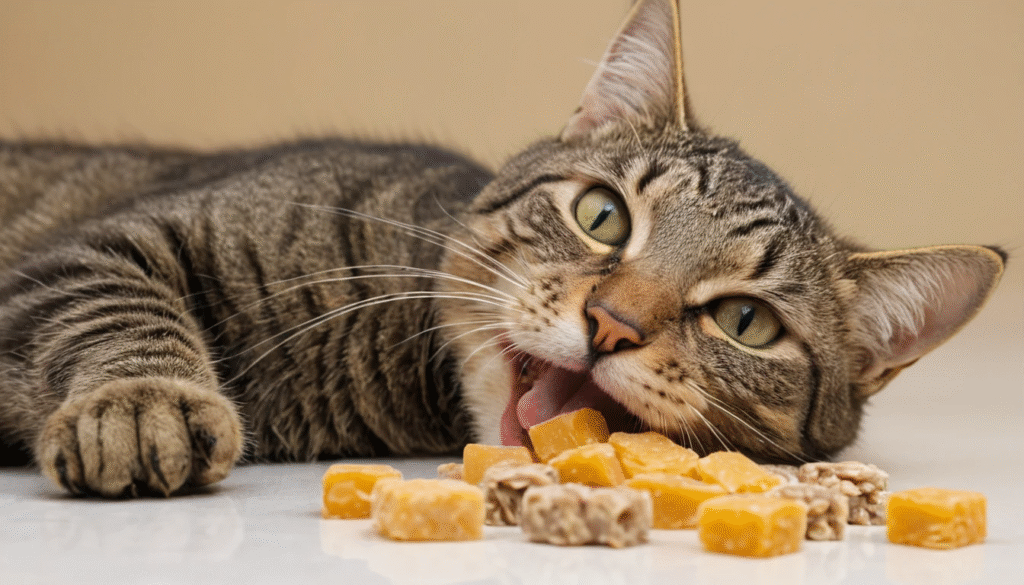
Conclusion: Stick to Cat-Approved Treats for a Happy, Healthy Feline! 🎉
The question “Can cats have peanut butter?” is one that many curious cat owners ask. While it might seem harmless, the answer leans heavily towards no, it’s not a good idea. The risks associated with xylitol, high fat, sugar, salt, choking, and allergies far outweigh any non-existent benefits.
Your cat’s health and safety are paramount. Instead of sharing your peanut butter, choose treats that are specifically formulated for felines or offer small amounts of plain, cooked, lean meats. By making informed and safe choices about their diet, you’re ensuring your beloved companion lives the happiest, healthiest life possible. After all, a purring cat is a happy cat, and a healthy cat is a purring cat! 😺
FAQs: Can Cats Have Peanut Butter?
1. Is peanut butter toxic to cats?
Answer: Peanut butter itself isn’t directly toxic unless it contains xylitol, an artificial sweetener found in sugar-free brands. Xylitol causes rapid insulin release, hypoglycemia (low blood sugar), liver failure, and can be fatal. Always check labels!
2. What happens if my cat eats peanut butter?
Answer:
- No xylitol? A tiny lick may cause mild vomiting/diarrhea due to high fat/salt. Monitor for 24 hours.
- Contains xylitol? EMERGENCY—contact your vet immediately. Symptoms (tremors, seizures) can appear within 30 minutes.
3. Can cats digest peanut butter?
Answer: Poorly. Cats lack enzymes to break down plant-based proteins and fats efficiently. High-fat content can trigger pancreatitis (painful pancreas inflammation).
4. Are there any benefits to giving cats peanut butter?
Answer: No nutritional benefits. Cats need animal-based protein (taurine, arginine), not plant fats or carbs. Safer treats like freeze-dried chicken or catnip are better options.
5. How much peanut butter is safe for cats?
Answer: None is recommended, but a tiny lick (smaller than a pea) of xylitol-free peanut butter is unlikely to harm a healthy cat. Avoid regular feeding.
6. What peanut butter ingredients are dangerous for cats?
Answer:
🚨 Xylitol (deadly)
⚠️ High salt/sugar (obesity, diabetes)
⚠️ Added oils/fats (digestive upset)
⚠️ Chocolate/honey (sometimes mixed in; toxic)
7. My cat licked peanut butter—what should I do?
Answer:
- Check the label for xylitol.
- No xylitol? Watch for vomiting, lethargy, or diarrhea (call vet if severe).
- Xylitol present? Rush to the vet—time is critical.
8. What are safe alternatives to peanut butter for cats?
Answer:
✅ Commercial cat treats (formulated for feline nutrition)
✅ Plain cooked chicken/fish (no seasoning, bones, or skin)
✅ Freeze-dried meat (single-ingredient, high-protein)
✅ Catnip/silvervine (non-caloric enrichment)
9. Can peanut butter cause allergies in cats?
Answer: Yes. Symptoms include itching, skin redness, vomiting, or wheezing. Discontinue use and consult your vet if suspected.
10. Why do some cats like peanut butter?
Answer: The fatty aroma can attract curious cats, but their interest doesn’t mean it’s safe. Cats lack taste receptors for sweetness, so they’re likely drawn to the fat/salt content.
Cat Treat Ingredient Checker 🐾
Unsure if an ingredient in your cat’s treat or human food is safe? Use this checker to quickly find out! Select an ingredient from the list below.
